What Is a Silent Stroke? Symptoms, Risks, and Prevention
By madhuneuroadmin
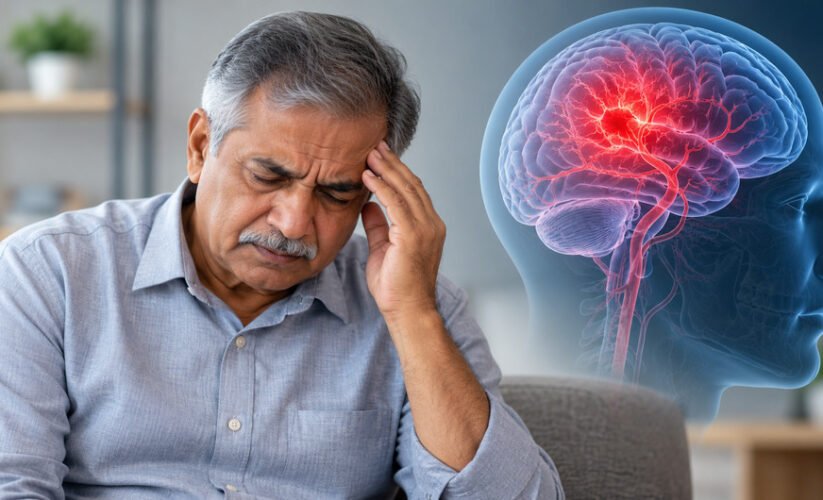
A stroke does not always cause noticeable warning signs. Sometimes, damage occurs in the brain without obvious symptoms. This is known as a silent stroke. It may remain undetected until a brain scan reveals the damage. Understanding its symptoms, risk factors, and prevention methods can help protect brain health.
Understanding Silent Stroke
A silent stroke occurs when blood flow to a part of the brain is interrupted, damaging brain tissue. Unlike a major stroke, it may not cause visible symptoms such as paralysis or difficulty speaking.
Silent strokes are often discovered through MRI or other brain imaging tests. Although they may go unnoticed, repeated incidents can affect memory, thinking abilities, and increase the risk of future strokes.
What Causes a Silent Stroke?
Several health conditions and lifestyle habits can increase the causes of silent stroke and associated risks.
1. Uncontrolled Blood Pressure
High blood pressure can damage small blood vessels in the brain, increasing the risk of blockages and tissue damage.
2. Diabetes and High Cholesterol
High blood sugar can damage blood vessels, while excess cholesterol may narrow arteries and restrict blood circulation.
3. Irregular Heart Rhythm
Conditions such as atrial fibrillation can cause blood clots that may travel to the brain and block an artery.
4. Smoking and Physical Inactivity
Smoking and a sedentary lifestyle can increase cardiovascular risks and contribute to blood vessel damage.
5. Age and Vascular Disease
The risk increases with age and may be higher in people with existing blood vessel disorders or a history of stroke.
Silent Stroke Symptoms You Should Know
Silent strokes may occur without recognizable symptoms. However, some people may experience subtle changes, including:
- Memory or concentration difficulties
- Changes in balance or coordination
- Problems completing familiar tasks
- Changes in thinking or decision-making
These silent stroke symptoms can have other causes, too. Brain imaging and medical evaluation may be needed to identify a silent stroke.
Important: Sudden facial drooping, weakness on one side, difficulty speaking, vision loss, or trouble walking may indicate an acute stroke. Seek emergency medical attention immediately, even if symptoms disappear.
What Are the Long-Term Effects of a Silent Stroke?
The silent stroke effects depend on the location and extent of brain damage. Some people may not notice changes, while others may experience difficulties with memory, attention, and decision-making.
Repeated silent strokes are associated with cognitive impairment, vascular dementia, and an increased risk of a future symptomatic stroke. Early medical assessment can help identify risks and guide appropriate management.
How Can You Prevent a Silent Stroke?
Managing existing health conditions and adopting healthy habits can help reduce stroke risk.
- Monitor blood pressure: Check it regularly and follow prescribed treatment.
- Manage diabetes: Keep blood sugar levels under control.
- Maintain healthy cholesterol: Follow medical advice on testing and treatment.
- Eat a balanced diet: Include fruits, vegetables, whole grains, and healthy fats while limiting excess salt.
- Exercise regularly: Stay physically active according to your health needs.
- Avoid smoking: Quitting tobacco supports blood vessel health.
- Schedule health check-ups: Identify and manage risk factors early.
Do not start aspirin or blood-thinning medication for stroke prevention without medical advice.
When Should You Consult a Neurologist?
Persistent changes in memory, coordination, or thinking should be evaluated by a healthcare professional. People with diabetes, high blood pressure, or heart disease should also discuss their stroke risk with their doctor.
Although silent strokes may not cause obvious symptoms, their long-term effects should not be ignored. Early evaluation and proper management of risk factors can help protect brain health.
For neurological evaluation and stroke prevention guidance, consult a Neurologist in Vijayawada at Dr. Madhu Super Speciality Hospital. Timely medical care can help identify potential risks and support better neurological health.