
5 Signs You Should See an Orthopaedic Doctor for Knee Pain
By madhuneuroadmin
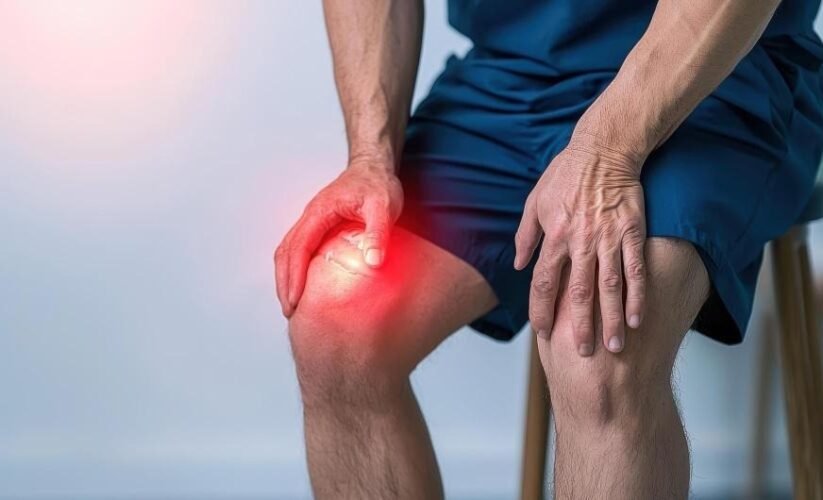
Knee pain is a common problem that can affect people of all ages. It may happen because of an injury, overuse, age-related changes, arthritis, or other joint problems. While occasional mild discomfort may improve with rest, persistent knee pain should not be ignored.
Knowing the knee pain symptoms that require medical attention can help you get the right treatment early. If you are experiencing ongoing discomfort, consulting an orthopedic doctor for knee pain can help identify the cause and guide you toward suitable treatment.
1. Your Knee Pain Does Not Go Away
Knee pain after strenuous activity may improve with rest. However, knee pain that does not go away or continues for several days or weeks may need evaluation.
Persistent or chronic knee pain can be associated with conditions such as knee arthritis, osteoarthritis, ligament problems, or other joint conditions. A knee pain doctor can assess your symptoms and recommend appropriate knee pain treatment.
2. You Have Knee Pain While Walking
If you experience knee pain while walking, climbing stairs, standing for long periods, or getting up from a chair, it is worth getting checked.
Pain during everyday activities can sometimes indicate changes within the knee joint. Depending on the cause, treatment may include medication, lifestyle changes, physiotherapy, or other non-surgical knee treatment options.
3. Your Knee Is Swollen or Stiff
Knee pain and swelling, especially when accompanied by stiffness, can occur because of inflammation, injury, arthritis, or other joint problems.
Knee stiffness that makes it difficult to bend or straighten your leg should not be ignored. An orthopaedic specialist can determine whether the symptoms are related to osteoarthritis knee problems, an injury, or another condition.
4. You Have Sudden or Severe Knee Pain
Sudden knee pain after a fall, twist, sports activity, or accident could indicate a knee injury. Injuries involving the ligament, meniscus, or other structures may require timely medical assessment.
Similarly, severe knee pain that develops suddenly without an obvious injury should be evaluated rather than managed only with home remedies.
5. Knee Pain Is Affecting Your Daily Life
If knee pain makes it difficult to walk, exercise, climb stairs, sleep comfortably, or perform everyday activities, it may be time to seek professional care.
Knee weakness, difficulty walking, repeated swelling, or ongoing discomfort can affect your mobility and quality of life. Early evaluation can help identify the problem and determine whether physiotherapy for knee pain may help.
Common Causes of Knee Pain
Knee pain can have several causes, including:
- Knee arthritis and osteoarthritis
- Sports injuries
- Ligament injuries
- Meniscus injuries
- Muscle or tendon problems
- Age-related joint changes
- Overuse or repetitive stress
- Previous knee injuries
The right treatment depends on the underlying cause. Some people may benefit from conservative care, while others with advanced joint damage may eventually require knee replacement.
Can Knee Pain Be Treated Without Surgery?
Not every person with knee pain needs surgery. Depending on the condition, non-surgical knee treatment may include medicines, activity modification, weight management, physiotherapy, and targeted exercises.
If conservative treatment does not provide adequate relief and the joint is significantly damaged, an orthopaedic doctor may discuss surgical options, including knee replacement when appropriate.
When Should You See an Orthopaedic Doctor?
You should consider consulting an orthopaedic doctor if you have persistent, severe, or recurring knee pain, swelling, stiffness, weakness, or difficulty walking.
Getting an early assessment can help identify the cause and prevent a minor problem from becoming a more serious mobility issue.
For knee pain treatment in Machilipatnam, Dr. Madhu Super Speciality Hospital, Machilipatnam provides comprehensive orthopaedic care and treatment for various knee and joint problems. With appropriate evaluation and personalised treatment, the goal is to help patients manage pain, improve mobility, and return to their daily activities with greater comfort.